Dated Pine to Modern Grey Shaker
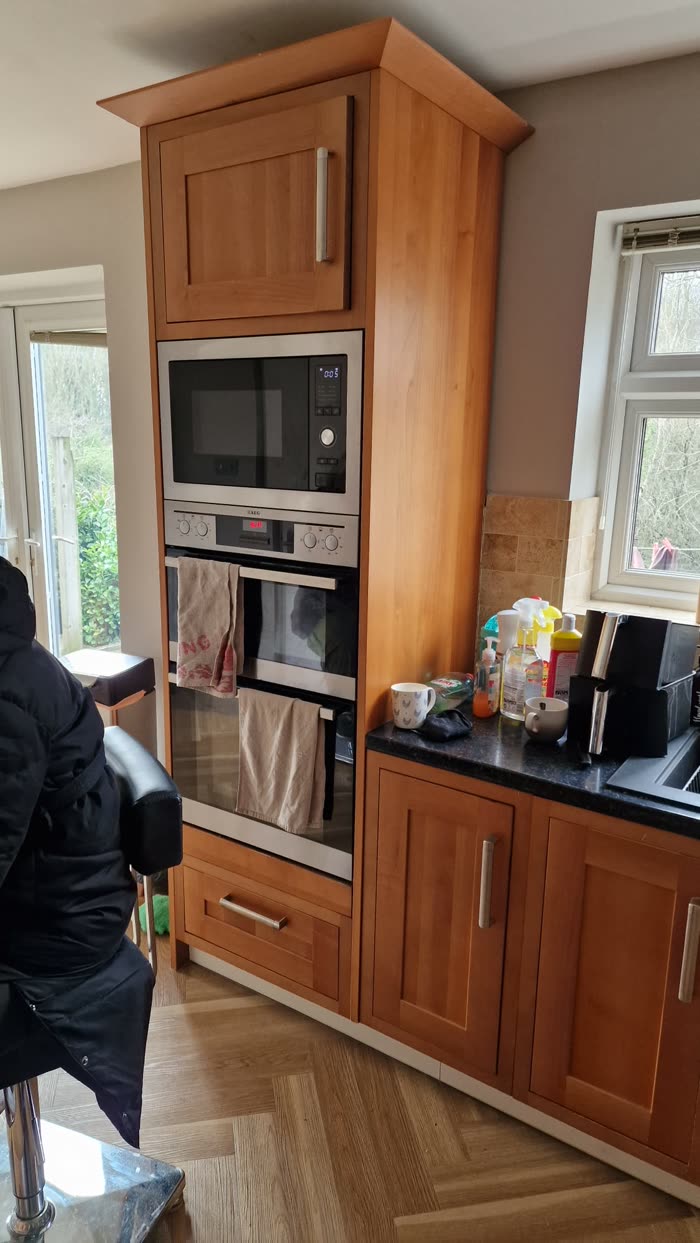
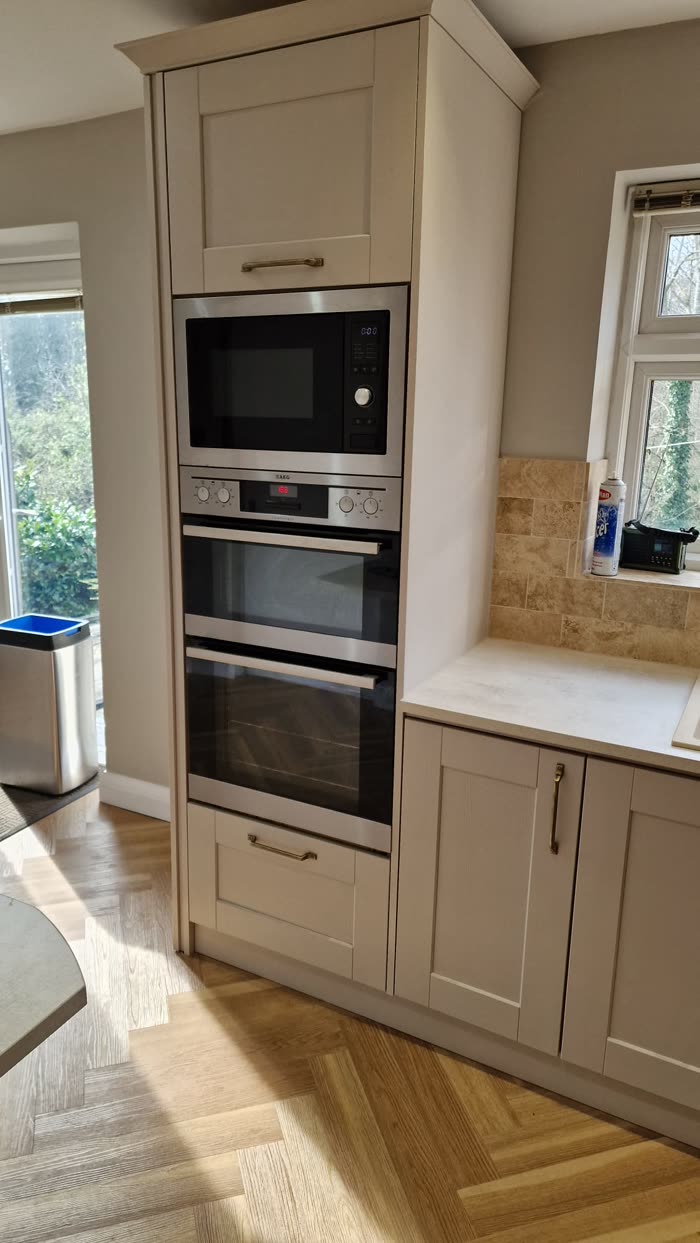
This kitchen came to us as a tired, dark pine layout — the kind of heavy wood-effect doors that were popular years ago but had started to make the whole room feel dim and dated. The units themselves were still structurally sound, so a full refit was never really necessary. Instead, we replaced the doors with light grey shaker fronts, fitted a new stone-effect worktop and finished the floor with herringbone flooring to match.
What didn't change: the layout, the position of the sink and hob, and the carcasses underneath. What changed: everything you actually see and touch day to day. The result reads as a completely different kitchen, even though the bones of the room never moved.
Light Oak to Modern Grey
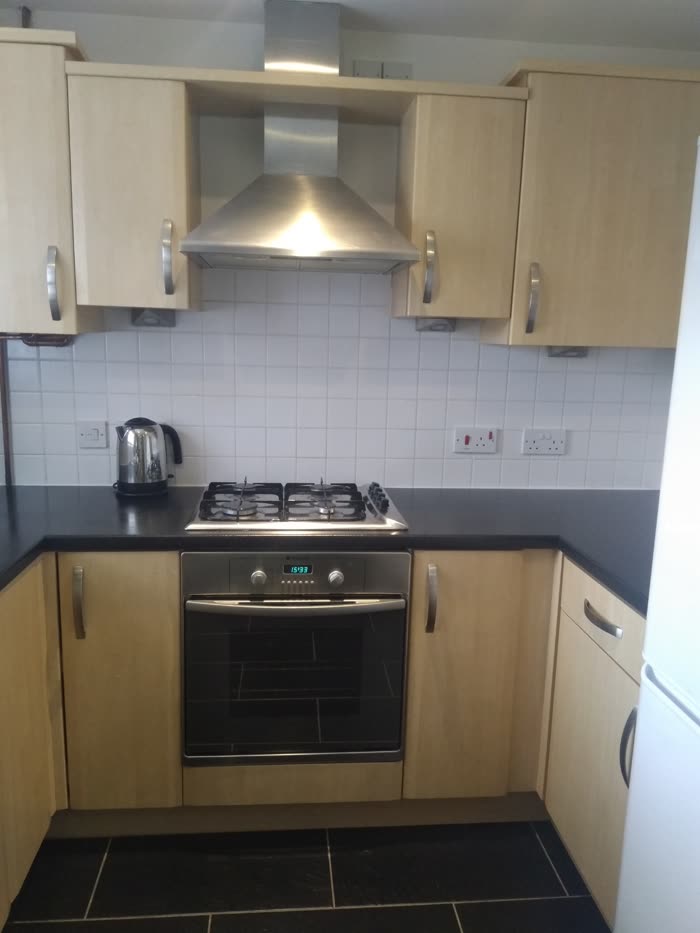
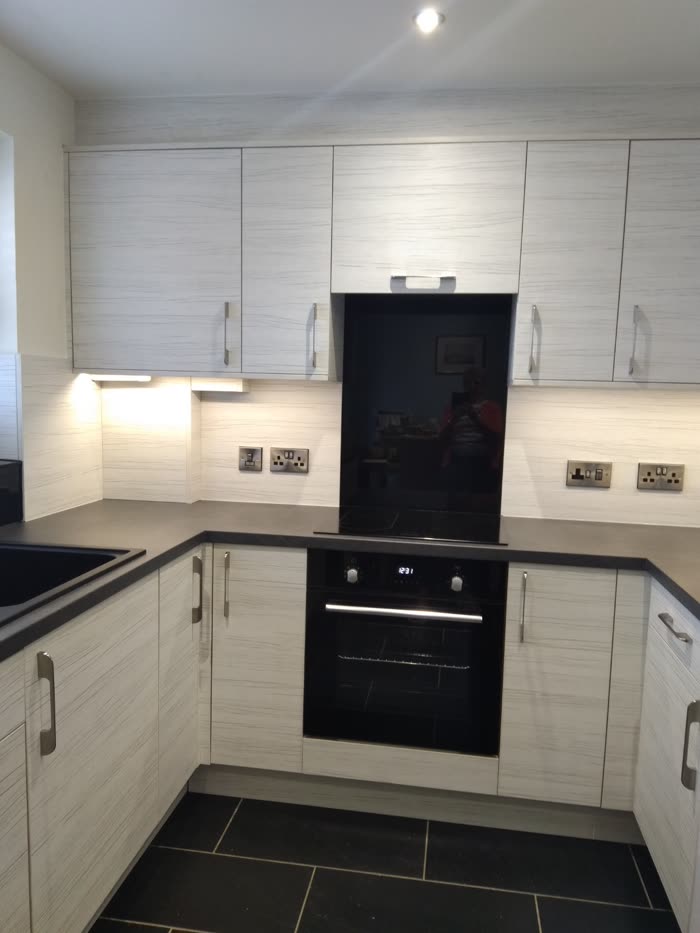
A dated light oak kitchen with an old-style sink was the starting point here. Light oak was a common choice in the 1990s and early 2000s, but it can leave a kitchen looking distinctly of its era. We swapped the doors for sleek grey fronts, fitted a new worktop, and replaced the old sink with a modern integrated unit — a relatively contained project that changed the whole feel of the room without any structural work.
The Common Thread
Both of these projects follow the same logic: identify what's actually dating the kitchen — usually the doors, the worktop, or both — and replace only that, rather than assuming the whole room needs to come out. It's a big part of why revivals across South Shields, Jarrow, Hebburn and the wider North East tend to finish in days rather than weeks.
You can see more examples on our Before & After gallery, or read about what's involved in a revival on our Services page.